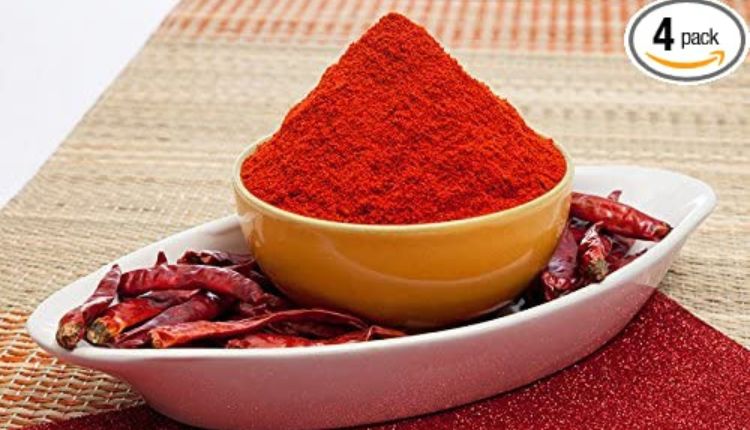
Introduction:
Red chilli, scientifically known as Capsicum annum, is a widely used spice that adds a fiery kick to various culinary delights. Apart from its vibrant color and pungent flavor, red chilli also offers numerous health benefits. In this article, we will delve into the uses, benefits, and potential side effects of red chilli, providing you with a comprehensive understanding of this popular spice.

I. Uses of Red Chilli:
Red chilli is a versatile spice that is used in various cuisines around the world. From enhancing the flavors of savory dishes to adding heat and spice to sauces, soups, and stews, its culinary applications are vast. It can be used in both dried and powdered form or added fresh to dishes for a more intense flavor profile. Furthermore, red chilli is also used in the preparation of pickles, chutneys, and marinades.
II. Health Benefits of Red Chilli:
- Rich in Nutrients: Red chilli is a good source of several essential nutrients, including vitamins A, C, and E, potassium, and dietary fiber. These nutrients play a vital role in maintaining overall health and well-being.
- Boosts Metabolism: Capsaicin, the active compound in red chilli responsible for its spiciness, has been found to increase metabolism. This thermogenic effect can aid in weight management and promote fat burning.
- Pain Relief: Topical application of capsaicin cream, derived from red chilli, has been used for pain relief in conditions such as arthritis, muscle strains, and nerve pain. It works by desensitizing pain receptors, providing temporary relief.
- Antioxidant Properties: Red chilli contains antioxidants, including carotenoids and flavonoids, which help protect the body against oxidative stress and reduce the risk of chronic diseases such as heart disease and certain cancers.
- Digestive Health: Consuming red chilli in moderation can aid in digestion by stimulating the secretion of digestive enzymes. It may also help reduce the occurrence of gastric ulcers and promote a healthy gut microbiome.
III. Side Effects and Precautions:
While red chilli offers several health benefits, it is important to consume it in moderation and be aware of potential side effects:
- Gastrointestinal Discomfort: Excessive consumption of red chilli can cause digestive issues such as heartburn, stomach pain, and diarrhea. People with sensitive stomachs or pre-existing gastrointestinal conditions should consume red chilli with caution.
- Allergic Reactions: Some individuals may be allergic to red chilli, experiencing symptoms such as itching, hives, or swelling. If you have a known allergy to peppers or other spicy foods, it is advisable to avoid red chilli.
- Interaction with Medications: Red chilli may interact with certain medications, such as blood thinners, antiplatelet drugs, and anticoagulants. Consult with your healthcare provider if you are taking any medications before consuming red chilli in large quantities.
Conclusion:
Red chilli is not just a spice that adds flavor and heat to dishes, but it also offers various health benefits. From boosting metabolism and aiding in weight management to providing pain relief and supporting digestive health, the capsaicin compound present in red chilli contributes to its medicinal properties. However, it is crucial to consume red chilli in moderation and be mindful of potential side effects, especially for individuals with sensitive stomachs or allergies.
FAQs:
- Can red chilli help with weight loss?
Yes, the capsaicin compound in red chilli has been found to boost metabolism and promote fat burning, which can aid in weight